
Bicycle zone
bikers rest
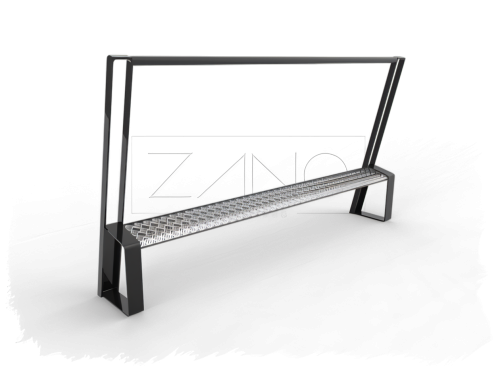

Creating an inviting and functional bicycle zone for bikers to rest is pivotal in promoting a bicycle-friendly urban environment. By integrating thoughtful designs and durable materials, these rest areas provide comfort and convenience for cyclists, encouraging more individuals to consider biking as a viable transportation mode. A well-equipped bikers' rest area typically includes several key components such as parking racks, seating solutions, and essential amenities.
Bicycle parking racks are essential, offering cyclists a secure location to park their bikes. These racks should be robust and resistant to weather conditions and vandalism, ensuring longevity and security. It is important that they are designed to accommodate various bike sizes and styles, from standard bicycles to larger cargo bikes and electric bikes. The layout should also allow easy access and efficient use of space, preventing congestion and facilitating quick parking and retrieval.
Seating is another crucial element within a bikers' rest zone. Benches and seating areas provide cyclists a place to relax, recharge, or perform quick maintenance tasks like tire inflation or minor adjustments. The seating should be comfortable and placed strategically to offer a good vantage point of the parked bicycles for security reasons. Materials used for the benches should be durable, weather-resistant, and require minimal maintenance, ensuring they remain functional and aesthetically pleasing year-round.
Additionally, effective bikers' rest areas may include facilities such as bike repair stations equipped with basic tools and air pumps. These stations support cyclists in keeping their bicycles in good working condition, reducing downtime and enhancing the overall cycling experience. Other amenities might include water fountains, shade structures, and informational kiosks that provide maps and information about local cycling routes.
Lighting is also a vital component, ensuring the area is accessible and safe during nighttime. Good lighting deters theft and makes it easier for bikers to navigate the rest area after dark. The chosen lighting fixtures should not only be effective but also energy-efficient and designed to blend seamlessly with the overall aesthetic of the urban landscape.
The design of the bicycle zone should also take into consideration the integration with the surrounding environment. It should be easily accessible, visibly marked, and connected to existing bike paths and lanes. The aesthetic elements should complement the existing urban architecture and contribute to the beautification of the public space. This integration not only enhances functionality but also promotes a coherent and attractive urban environment.
Sustainability is another key aspect of designing a bikers' rest zone. Using eco-friendly materials and incorporating green practices, such as solar-powered lighting or rainwater harvesting for plant watering in the rest area, can significantly reduce the environmental impact. Additionally, promoting non-motorized transportation contributes to lowering the urban carbon footprint, aligning with broader environmental goals.
In conclusion, a well-designed bikers' rest zone is an invaluable addition to any urban area, fostering a supportive infrastructure for cycling enthusiasts. By focusing on security, comfort, and practicality, urban planners and architects can significantly enhance the usability and appeal of these spaces, making cycling a more attractive option for daily commuting and recreational activities. This not only supports the wellbeing of the community but also contributes towards sustainable urban development.