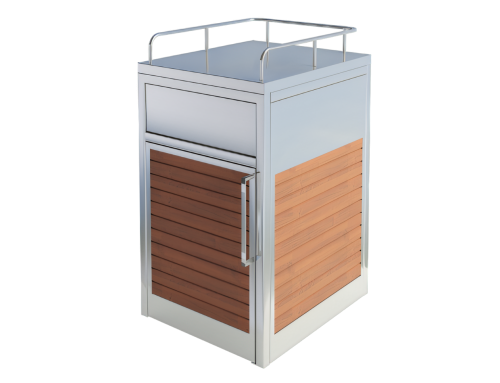
Litter bins designed for food waste are an essential component of modern urban and commercial environments, aiming to encourage responsible waste disposal and promote recycling efforts. These bins play a pivotal role in managing biodegradable waste, helping to keep public spaces clean and aiding in the reduction of environmental impacts associated with organic waste.
Typically constructed from robust materials such as stainless steel, durable plastics, or treated woods, food waste litter bins are engineered to withstand the rigors of outdoor elements as well as high-traffic public areas. The design often features tight-sealing lids to control odors and prevent animal intrusion, which is vital for maintaining sanitary conditions. Furthermore, these bins are equipped with easily accessible openings and sometimes include foot pedals for hands-free operation, enhancing user convenience and hygiene.
The strategic placement of food waste litter bins in public areas, such as parks, streets, schools, and food courts, is crucial for effective waste management. These bins are often part of a larger, color-coded waste separation system that facilitates the sorting of recyclables, organic, and residual waste, simplifying the process for users and waste collection services alike. The thoughtful integration of these bins into public spaces not only supports environmental sustainability initiatives but also educates the public on the importance of waste segregation.
In addition to their functionality, food waste litter bins are available in various styles and finishes that blend seamlessly into the aesthetic of any public or commercial space. From sleek and modern to rustic and traditional designs, these bins can be customized in color and branding to match the specific decor or promote awareness campaigns. With the growth of eco-consciousness and the increasing implementation of organic waste recycling programs, food waste litter bins are becoming more prevalent, playing a key role in the infrastructure of waste management and contributing significantly to a cleaner, more sustainable environment.