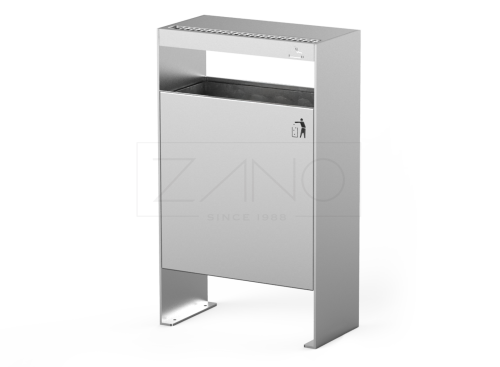
Litter Bins
stainless steel (Aisi 304)
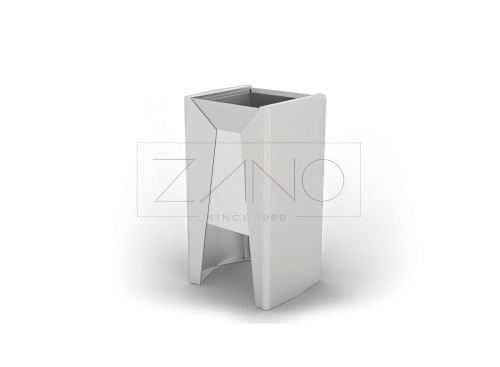
Photon litter bin
03.009
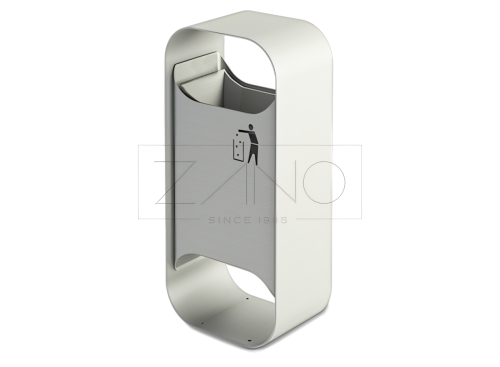
Clipo Litter Bin
03.064
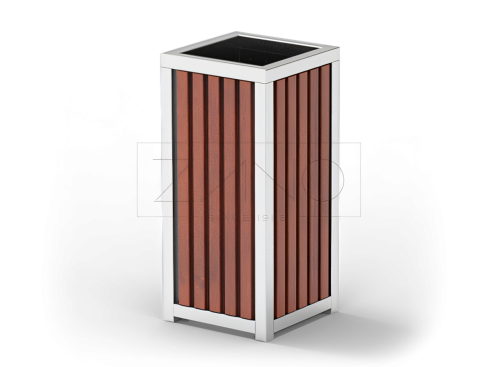
Altus Litter Bin
03.052
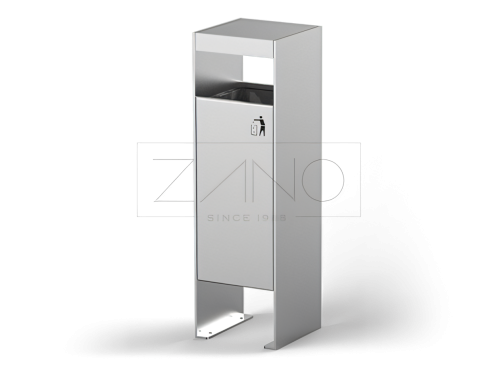
Simple Litter Bin
03.061
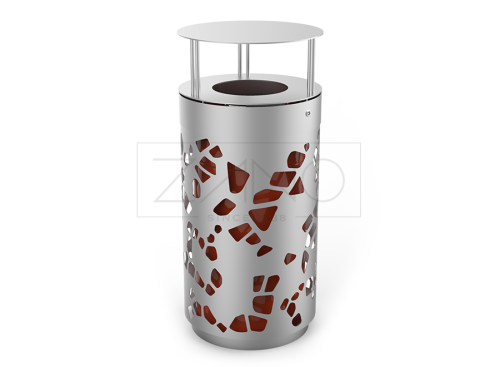
Kosz Tubus
03.053.9
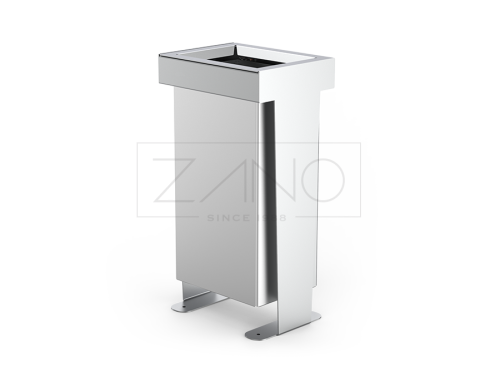
Reliq Litter Bin
03.013
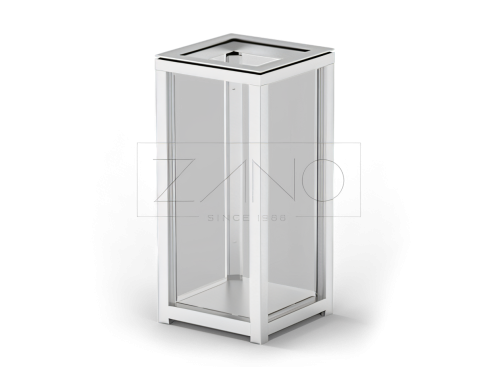
Anti-terrorist Safety Transparent Dustbin
03.052.4
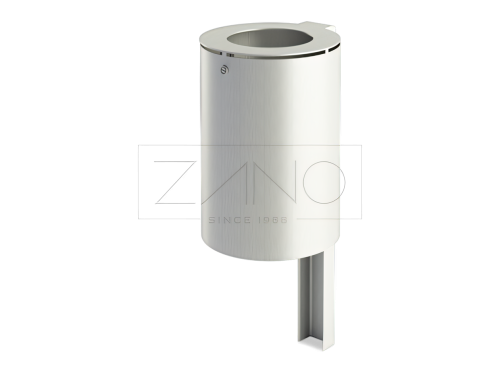
Aries Litter Bin
03.065
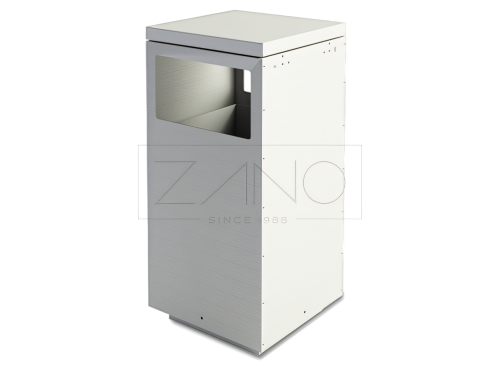
Mimesis Litter Bin
03.062
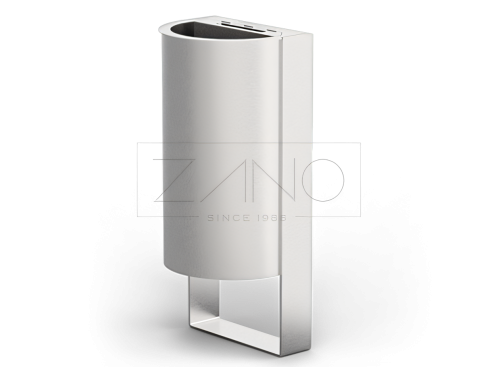
Litter bin with ashtray Start
03.044.1
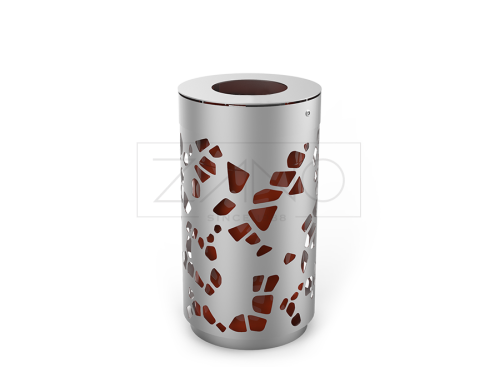
Tubus litter bin
03.053.2
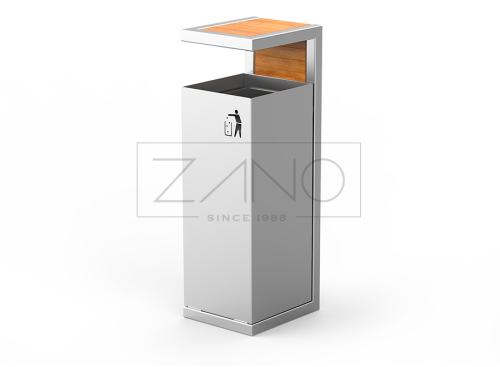
Pavo Litter Bin
03.063.1
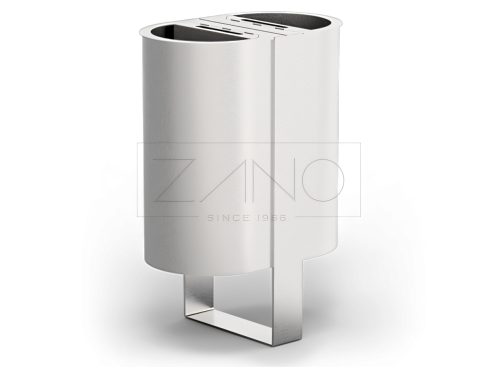
Double litter bin with ashtray
03.244.1
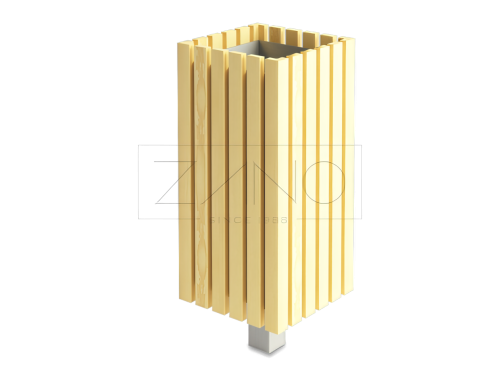
Onis Litter Bin
03.058
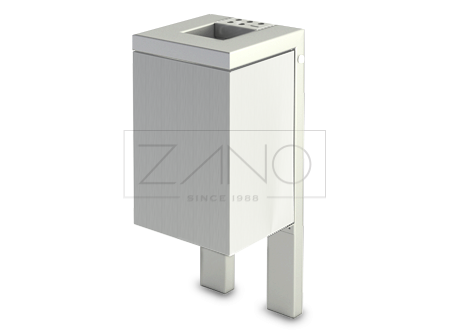
Cubus Litter Bin with ashtray
03.055
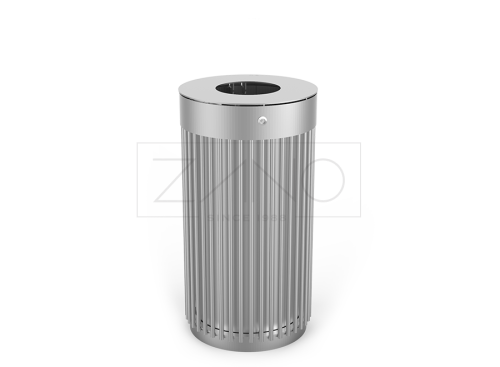
Tubus Litter Bin
03.053
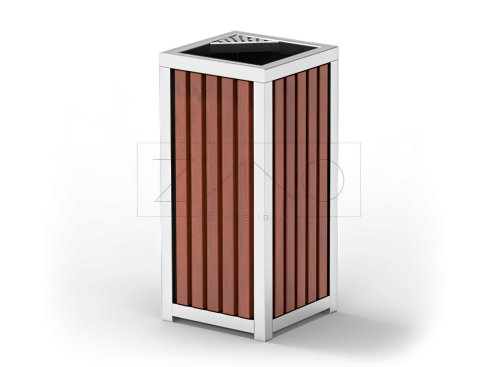
Altus Litter Bin
03.052.02
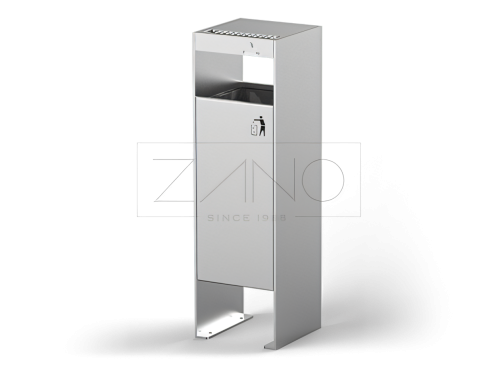
Litter bin with ashtray Simple
03.061.1
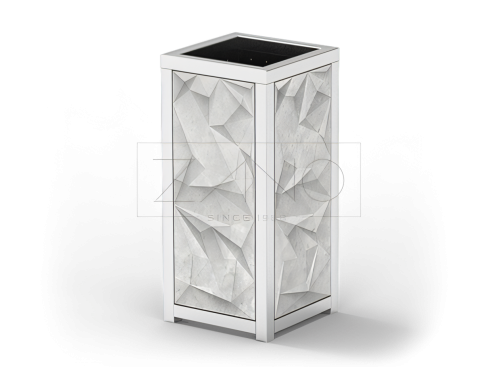
Trigono Litter Bin
03.070
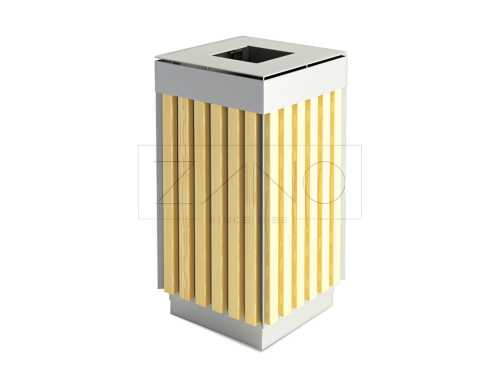
Argo Litter Bin
03.066
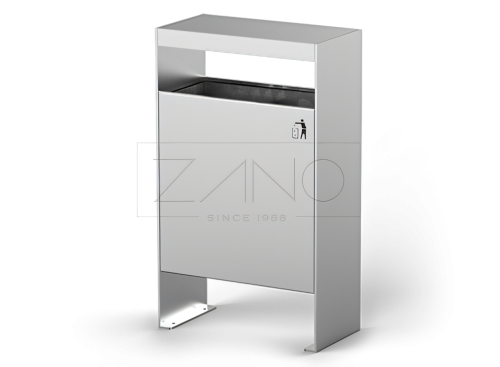
Litter bin Simple
03.261
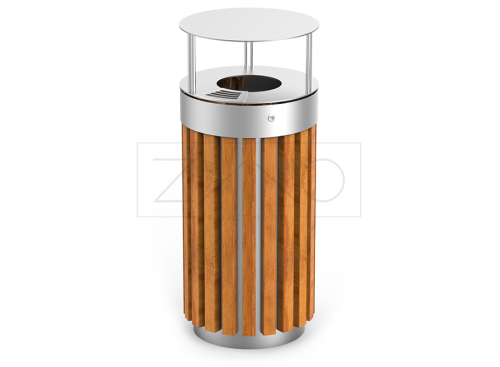
Tubus litter bin with ashtray
03.053.8
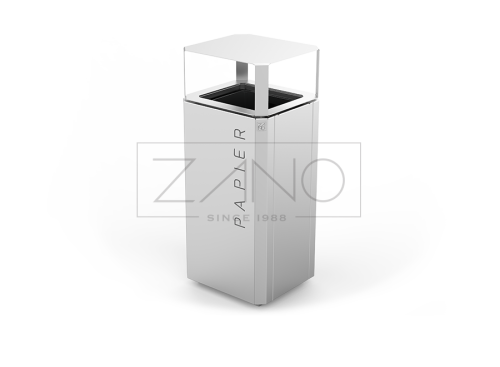
Stilo Litter Bin
03.048.1
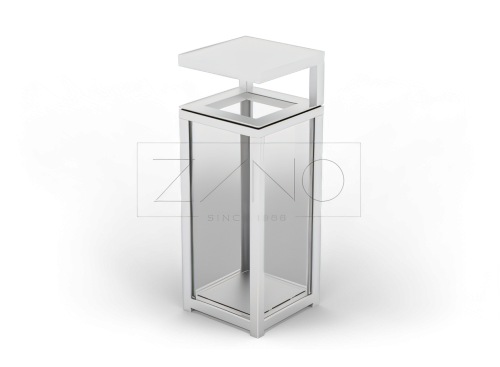
Anti-terrorist Safety Transparent Dustbin
03.052.5
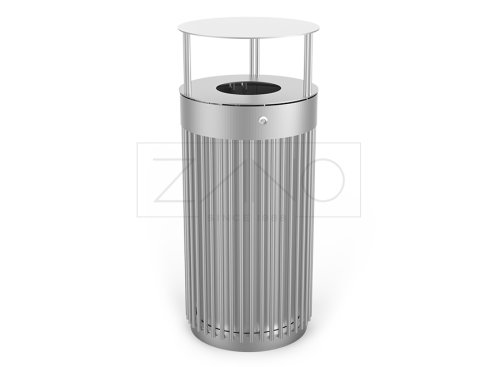
Tubus Litter Bin
03.053.3
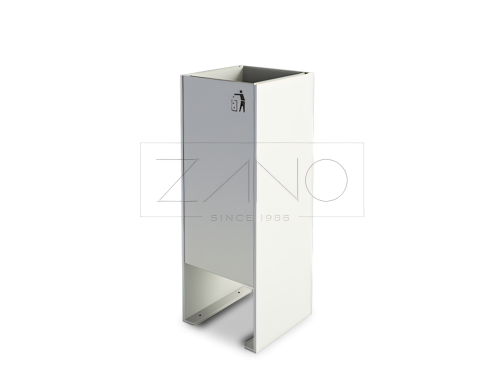
Simple Litter Bin
03.060
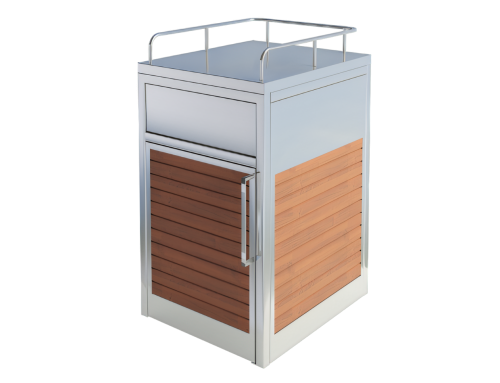
Salver litter bin
03.068
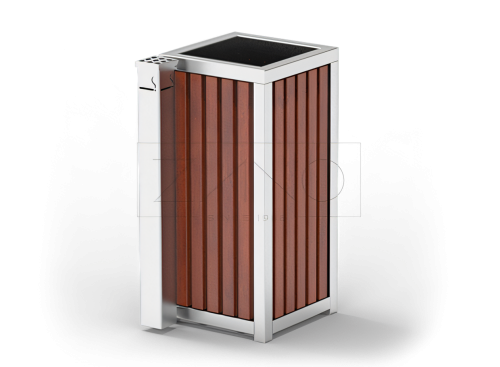
Altus Litter Bin
03.052.03
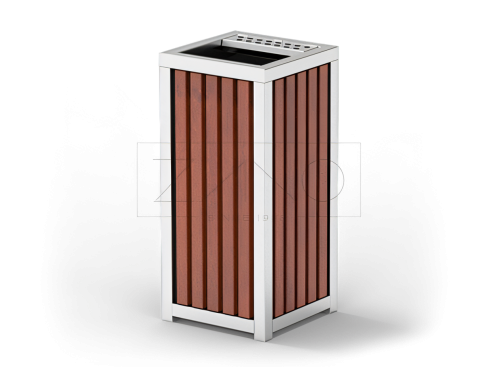
Altus Litter Bin
03.052.01
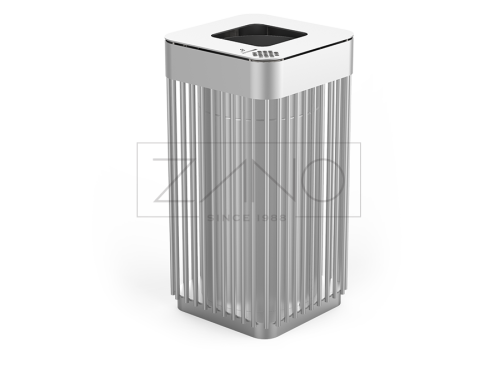
Calypso Litter Bin with ashtray
03.051.1
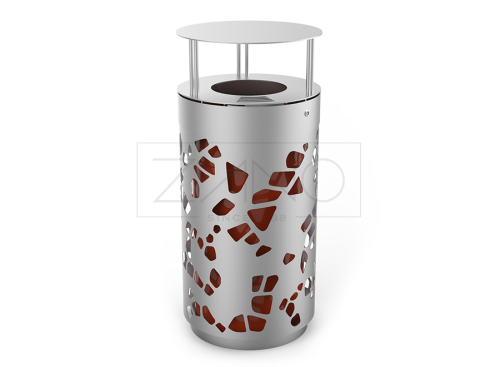
Litter bin Tubus
03.053.11
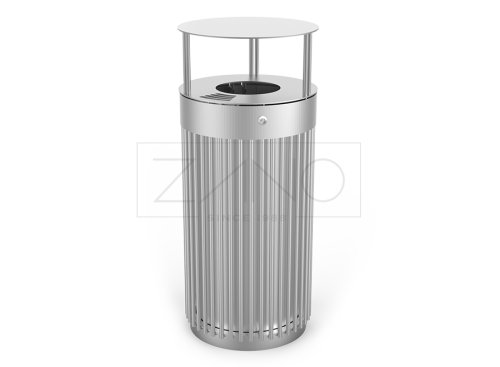
Tubus litter bin with ashtray
03.053.5
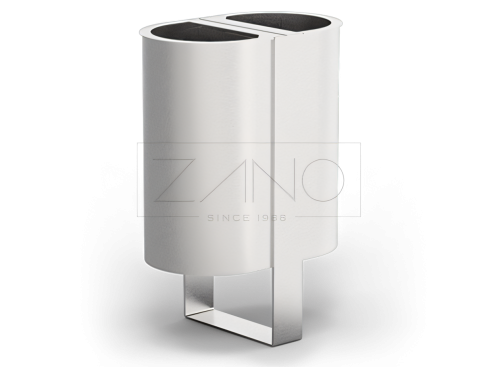
Double litter bin Start
03.244
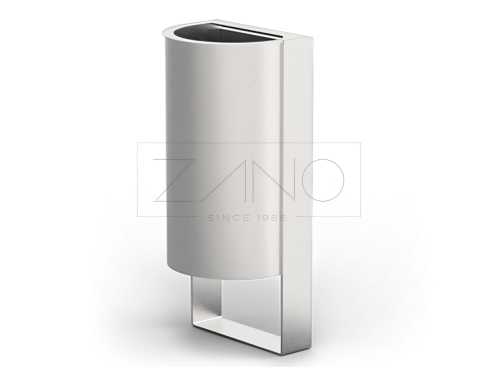
Start Litter Bin
03.044
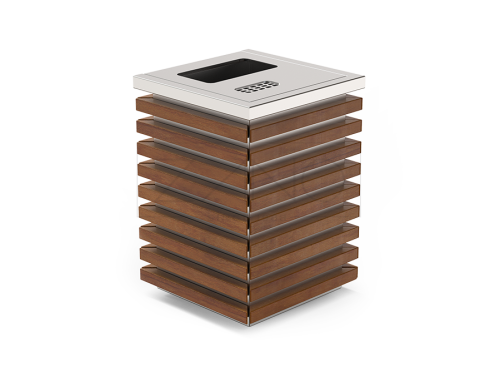
Block Litter Bin with ashtray
03.056
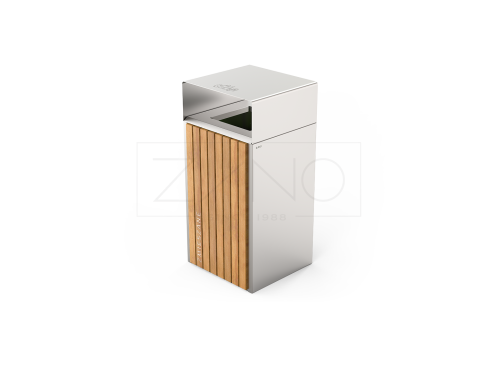
Quadro Litter Bin
03.076.1
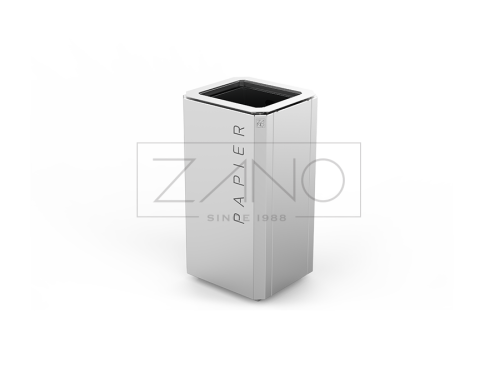
Stilo Litter Bin
03.048
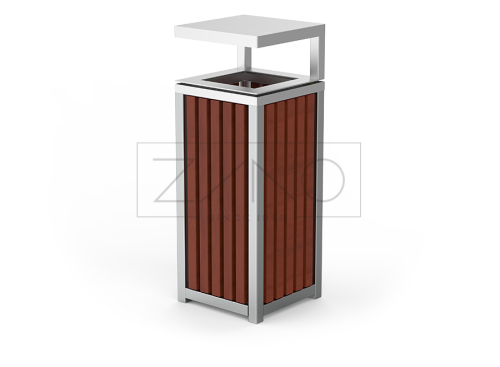
Altus Litter Bin
03.052.7
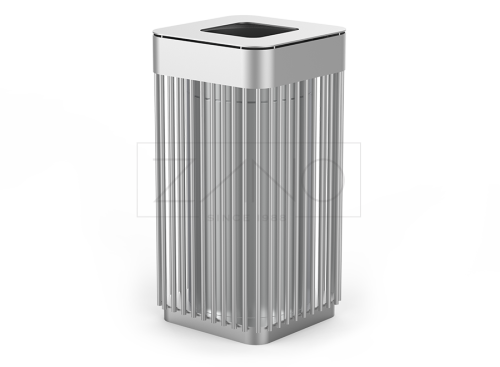
Calypso litter bin
03.051
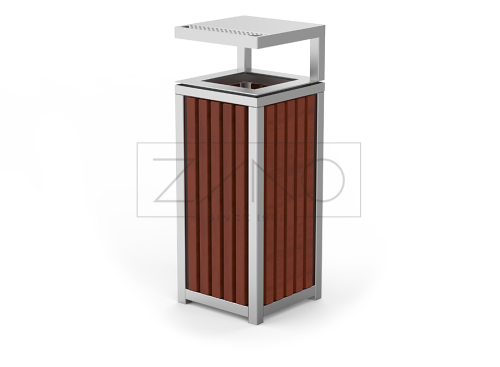
Altus Litter Bin with Ashtray
03.052.8
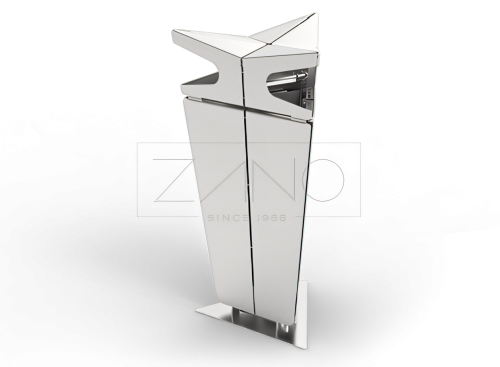
Jester litter bin
03.059
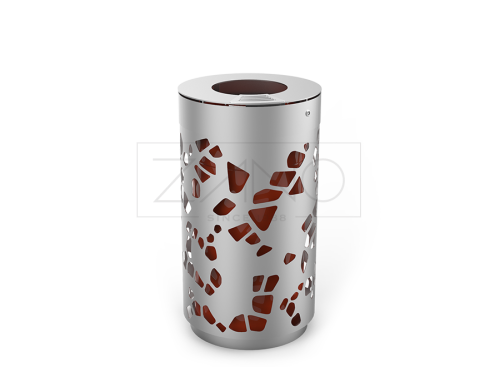
Tubus litter bin with ashtray
03.053.10
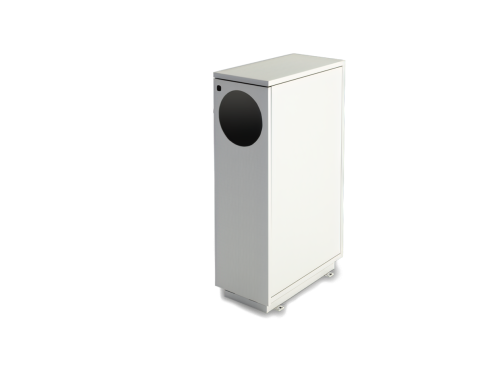
Norvik Litter bin
03.067
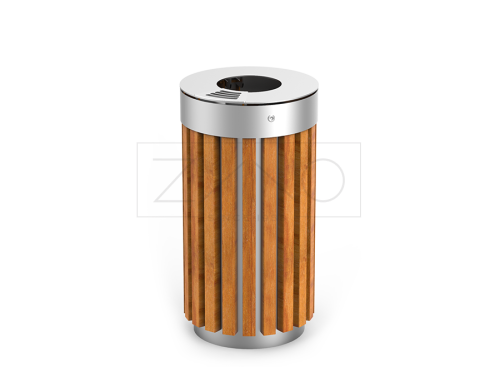
Tubus litter bin with ashtray
03.053.7
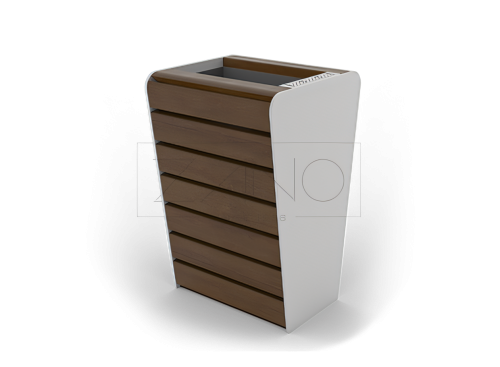
Soft litter bin with ashtray
03.012.2
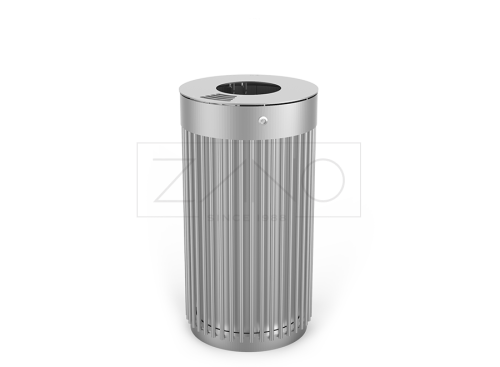
Tubus Litter Bin
03.053.4
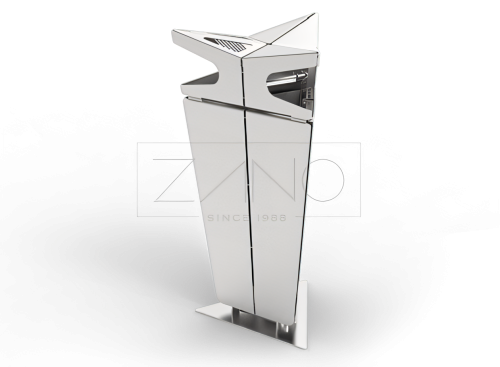
Jester litter bin with ashtray
03.059.1
Stainless steel litter bins, particularly those crafted from AISI 304 stainless steel, are an essential component of urban planning and design. Renowned for their durability, practicality, and contemporary appeal, these bins blend seamlessly into the fabric of both modern and traditional landscapes, providing effective waste management solutions while enhancing the aesthetic of their surroundings.
AISI 304 stainless steel is especially prized in the construction of litter bins due to its excellent corrosion resistance, ease of maintenance, and sleek finish. This grade of stainless steel ensures that the bins are capable of withstanding harsh environmental conditions including rain, snow, and salt, making them ideal for use in a variety of outdoor settings such as city streets, parks, and coastal areas where resistance to rust is crucial.
The design of these stainless steel litter bins often features smooth, clean lines that offer a minimalistic yet stylish look. This simplicity not only complements a broad range of architectural styles but also discourages vandalism, maintaining the bin's integrity and appearance over time. The non-porous surface of the stainless steel makes these bins easy to clean, an essential feature for maintaining public health and hygiene. Furthermore, the material is 100% recyclable, supporting environmental sustainability efforts in urban infrastructure.
Practical considerations in the design of AISI 304 stainless steel litter bins include varying capacities to accommodate high-traffic areas, ease of access for users of all abilities, and compatibility with standard garbage bags and liners. Advanced models may also feature separate compartments for recycling, demonstrating an investment in eco-friendly waste solutions which encourage the public to sort recyclables from general waste. These features not only improve functionality but also play a critical role in promoting responsible waste disposal practices among the community.
By integrating AISI 304 stainless steel litter bins into urban and semi-urban areas, municipalities can significantly enhance the efficiency of waste management systems and contribute to a cleaner, more inviting public space. Their robust construction and thoughtful design ensure long-term serviceability and performance, providing cities with a cost-effective solution to manage waste while simultaneously elevating the visual and functional aspects of their environments.